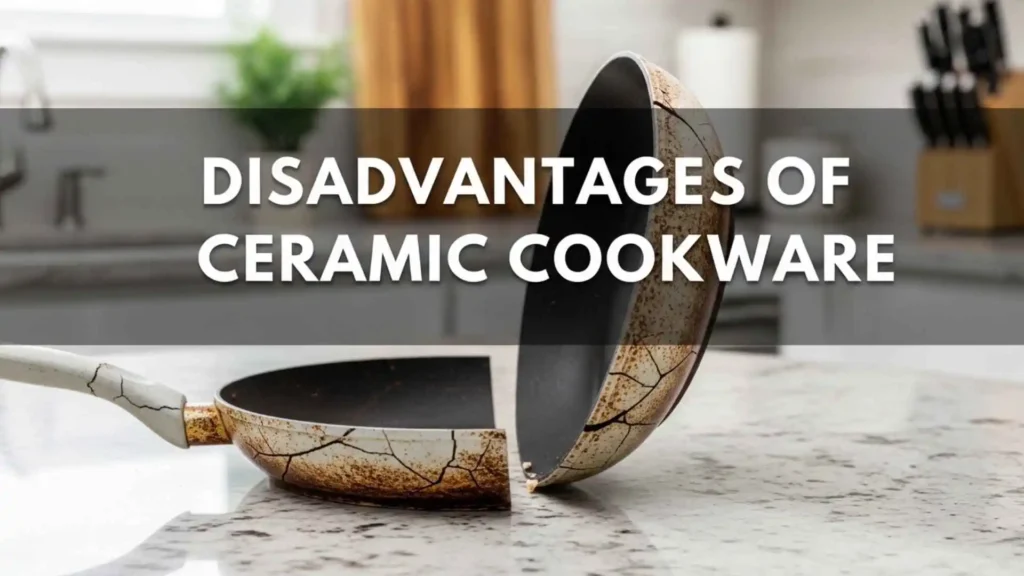
I remember the day I bought my first set of ceramic pans. It was a sunny Saturday morning at a local home goods store. They were beautiful, boasting a creamy white interior and a mint green exterior. I felt like a professional chef just looking at them. I was ready to cook healthy meals without worrying about chemicals. However, that honeymoon phase ended quicker than I expected. I soon started noticing the disadvantages of ceramic cookware in my daily routine.
At first, eggs slid right off the pan like magic. It was a dream to clean. But after a few months, things changed. My eggs started sticking, and the pan looked stained. I realized that the pretty appearance hid some flaws. I want to share my experience so you know what to expect. Here is what I learned about the real disadvantages of ceramic cookware.
What Are the Main Disadvantages of Ceramic Cookware?
When we talk about this type of kitchen gear, we often hear about the safety benefits. Marketing tells us it is free from toxins. While that is true, they rarely mention the cons. The biggest issue I faced was durability. This is one of the most significant disadvantages of ceramic cookware for home cooks.
Ceramic coating is not actually made of solid ceramic. It is usually a metal pan, like aluminum, with a silicon-based coating. This layer is brittle. If you bang a spoon on the edge, it can chip. Once it chips, the pan loses its non-stick ability in that spot. I accidentally tapped my ladle on the rim once. A tiny piece of the coating flew off. I was heartbroken.
Another issue is that the non-stick properties do not last. Traditional Teflon pans can stay slick for years. Ceramic pans often lose their slip after six to twelve months. This short lifespan is one of the costly disadvantages of ceramic cookware. You might find yourself buying new pans every year.
The Lifespan Issue: A Key Disadvantage of Ceramic Cookware
Let’s talk about money for a second. We all want our investments to last. High-quality cookware should be a one-time purchase for at least a few years. Sadly, the short life cycle is a major drawback here. I treat my kitchen tools with care. I wash them by hand and store them safely. Yet, the performance degrades quickly.
You cannot use metal utensils with these pans. I learned this the hard way. I used a metal fork to flip a pancake because my spatula was dirty. That was a mistake. I left tiny scratches on the surface. These scratches grew over time. This sensitivity to metal is one of the annoying disadvantages of ceramic cookware.
You essentially need to buy silicone or wood utensils if you do not have them. This adds to the hidden cost. If you are not careful, you will ruin the pan in weeks. This fragility makes it hard to recommend to families with kids who might cook.
Heat Sensitivity and Other Disadvantages of Ceramic Cookware
I love searing a good steak. I like the pan hot and sizzling. This brings me to another problem. You cannot use high heat with these pans. High temperatures can break down the non-stick layer. This limitation is one of the functional disadvantages of ceramic cookware.
When you use high heat, the coating can degrade or even carbonize. This leaves a sticky residue that is impossible to clean. I ruined a sauce pot by boiling sugar too hot. The bottom became rough and brown. Now, I can only use it for boiling water.
Here is a quick look at how heat affects different pans:
| Feature | Ceramic Cookware | Stainless Steel | Cast Iron |
| Max Heat | Low to Medium | High | Very High |
| Sear Ability | Poor | Excellent | Excellent |
| Oven Safe | Limited | Yes | Yes |
| Heat Retention | Low | Medium | High |
This table shows why the heat limit is one of the notable disadvantages of ceramic cookware. If you love high-heat cooking like stir-fry, this material will disappoint you.
Is Uneven Heating One of the Disadvantages of Ceramic Cookware?
Yes, it can be. Since most ceramic pans are aluminum with a coating, they rely on the core for heat. If the core is thin, you get hot spots. I noticed this when making pancakes. The center would burn while the edges were raw. This uneven cooking is frustrating.
Inconsistent heating is one of the subtle disadvantages of ceramic cookware. It forces you to constantly move food around. You have to babysit the pan. Cooking should be fun, not a chore where you fight your equipment. It took the joy out of my Sunday breakfast routine.
Cleaning Troubles: Unexpected Disadvantages of Ceramic Cookware
Marketing claims these pans are easy to clean. They are, but only at first. As the coating wears down, food sticks more. You cannot use steel wool or abrasive sponges. If you do, you scrub away the coating. This makes cleaning a delicate dance.
You also generally cannot put them in the dishwasher. The harsh detergents eat away the surface. Hand washing is mandatory. For busy parents, this extra step is a pain. The inability to use a dishwasher is one of the practical disadvantages of ceramic cookware.
I once let my husband wash the dishes. He put my favorite ceramic skillet in the dishwasher. When it came out, the surface felt dry and rough. It never cooked the same again. It proves that these pans need high maintenance. You have to treat them like fragile glass, not rugged tools.
Comparing the Disadvantages of Ceramic Cookware to Teflon
People switch to ceramic to avoid Teflon. Teflon has chemicals like PTFE. Ceramic is a “sol-gel” solution derived from sand. It sounds great on paper. But when you weigh the pros and cons, the choice gets harder.
Teflon is durable and slick. It handles mistakes better. Ceramic is safe but weak. The trade-off is performance for perceived safety. I found that I missed the reliability of my old pans. The sheer number of disadvantages of ceramic cookware made me switch back to stainless steel for most tasks.
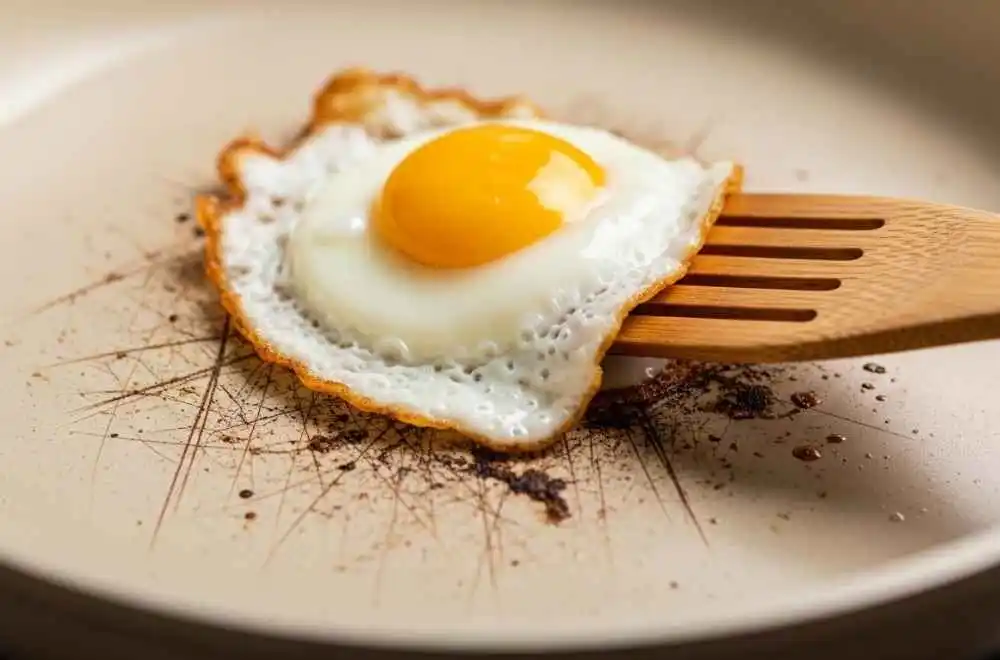
If you cook with oil, you have to be careful too. You cannot use cooking sprays. The lecithin in sprays burns onto the ceramic. It creates a gummy layer that ruins the pan. This restriction is one of the specific disadvantages of ceramic cookware that no one tells you at the store.
Pros and Cons Breakdown
Here is a simple list to help you decide. I made this based on my two years of testing various brands.
Pros:
- Generally free of PTFE and PFOA.
- Comes in beautiful colors and designs.
- Lightweight and easy to handle.
- Slippery surface when brand new.
Cons:
- Coating wears off very quickly.
- Cannot handle high heat or searing.
- Not dishwasher safe usually.
- Prone to chipping and scratching.
This list highlights why the disadvantages of ceramic cookware often outweigh the looks. You pay for style, but you lose out on longevity.
My Final Thoughts on the Disadvantages of Ceramic Cookware
I still keep one small ceramic pan for eggs. I use it on low heat and wash it gently. For everything else, I moved on. The stress of ruining a pan was too much. The constant fear of scratching it took the fun out of cooking.
Understanding the disadvantages of ceramic cookware is vital before you spend your money. They are great for light, low-heat cooking. They are terrible for daily, heavy-duty use. If you want a workhorse, look at cast iron or steel. If you want a pretty accessory that requires care, ceramic might work for you.
I hope my story saves you some frustration. Knowing the disadvantages of ceramic cookware helps you manage expectations. You can enjoy them for what they are, but do not expect them to last forever. Cooking is about the food, not the struggle with the pan.
Expert Insights FAQ
Why do ceramic pans lose their non-stick ability?
Ceramic pans use a sol-gel coating. This layer is thin and brittle. High heat and washing wear it down quickly, causing food to stick.
Can I use metal utensils on ceramic cookware?
No, never use metal. Metal utensils scratch the coating easily. Once scratched, the non-stick function fails. Use wood or silicone tools only.
Is ceramic cookware safe for high heat cooking?
No, high heat damages the coating. It can degrade the surface and reduce its lifespan. Stick to low or medium heat settings for best results.
Can I put my ceramic pans in the dishwasher?
It is not recommended. Dishwasher detergents are too harsh and abrasive. They will strip the non-stick layer. Hand washing is much safer.
How long does a ceramic pan usually last?
With daily use, a ceramic pan lasts about 6 to 12 months. After this, the non-stick properties fade significantly compared to other materials.