
It was a chaotic Tuesday morning. My kitchen counter looked like a crime scene. But instead of blood, it was covered in green kale smoothie. I looked at my sticky Ninja blender. I really did not want to scrub it by hand. The clock was ticking. I had to leave for work in ten minutes. I stood there holding the gooey pitcher. I asked myself a risky question.
I wondered is ninja blender dishwasher safe or would I ruin it? I have ruined kitchen gadgets before. I once melted a cutting board. I did not want to destroy my favorite appliance. So, I did some digging. I checked the manual and forums. I even called a friend who cooks a lot. Here is what I found out about cleaning this machine.
The Short Answer
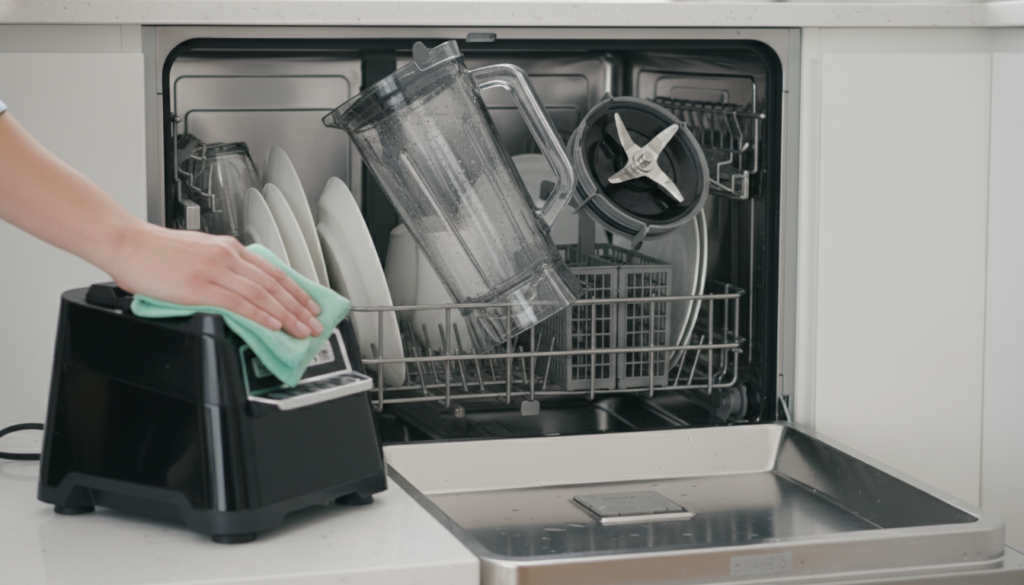
Yes, most parts of your Ninja blender are safe for the dishwasher. I felt a wave of relief when I learned this. But you cannot just throw everything in blindly. There are rules to follow. If you break them, you might warp the plastic. You could also dull the blades. I learned that placement matters a lot.

Most Ninja pitchers, lids, and blade assemblies can go in. They are designed to handle water and soap. However, the motor base is a different story. Never put the electric base in water. That will destroy it instantly. You simply wipe that part down. For the rest, you need to use the right settings.
Where Do The Parts Go?
I treat my dishwasher like a game of Tetris. Everything needs to fit just right. When it comes to dishwasher safe blender parts, gravity is your friend. I always use the top rack. The heating element in most dishwashers is at the bottom. It gets very hot down there.
| Part Name | Recommended Location | Safe for Dishwasher? |
| Pitcher / Cup | Top Rack Only | Yes |
| Lid | Top Rack Only | Yes |
| Blade Assembly | Top Rack Only | Yes |
| Motor Base | Never | No |
| Rubber Gasket | Silverware Basket | Yes |
Handling the Sharp Blades
Cleaning Ninja blender blades makes me nervous. They are incredibly sharp. I cut my finger once just barely touching one. When I put them in the dishwasher, I am extra careful. I do not want to reach in blindly later. I might slice my hand open when unloading.
I usually rinse them first. This removes the big chunks of food. Then I place them on a spike in the top rack. This keeps them from moving around. Some people put them in the silverware basket. I think this is risky. The blades can poke through the holes. I prefer them up high where I can see them.
The Danger of High Heat
My dishwasher has a setting called “Sanitize.” It uses extra hot water. I learned to avoid this with my Ninja. The high heat is too much for the plastic. It can cause warping over time. If the pitcher warps, the lid will not fit. Then you have a leaky mess.
I also turn off the “Heated Dry” cycle. It gets like a sauna in there. I prefer to let the parts air dry. I just open the door when the cycle ends. It takes longer, but it is safer. My pitcher has lasted years because I am gentle with the heat. It is a small trade-off for longevity.
The Cloudy Plastic Problem
Have you ever seen a blender look foggy? That is called crazing or clouding. It happened to my old food processor. It looks dirty even when it is clean. This is often caused by harsh detergents. Some dishwasher pods are very abrasive. They scratch the plastic surface.
To avoid cloudy blender plastic, I use a mild gel detergent. Powders can be too gritty. I also make sure not to use too much soap. A little goes a long way. If your pitcher is already cloudy, vinegar helps. I soak mine in warm water and white vinegar. It helps remove mineral buildup and restores some shine.
Washing Ninja Pitcher by Hand
Sometimes I do not run the dishwasher. Maybe I only used the blender for water and protein powder. In those cases, I hand wash it. It is actually faster. I have a lazy trick for this. I fill the pitcher halfway with warm water. I add a drop of dish soap.
Then I put it back on the base. I pulse it for ten seconds. The blender cleans itself. The spinning water dislodges the sticky bits. I rinse it out and let it dry. This works great for washing Ninja pitcher quickly. It saves me from scrubbing the bottom. It also keeps my hands away from those sharp blades.
Comparison of Cleaning Methods
I wanted to see which method was actually better. I tracked my cleaning routine for a week. I looked at time and cleanliness.
| Method | Time Required | Effort Level | Cleanliness Result |
| Dishwasher | 2 Hours (Cycle) | Very Low | Excellent |
| Hand Scrub | 5 Minutes | High | Good |
| Blender Pulse Trick | 1 Minute | Low | Very Good |
Dealing with the Gaskets
There is a hidden part many people forget. The rubber gasket or seal. It lives inside the blade assembly or lid. Food juice can seep under it. If you do not clean it, mold grows there. It smells terrible. I noticed a funk one day and realized why.
I carefully remove the gasket now and then. I use a dull knife to lift it. I wash it in the silverware basket. This ensures it gets totally clean. Just be sure not to stretch it. If it gets loose, your blender will leak. Putting it back in takes patience. I do this deep clean once a month.
Specific Ninja Models
I have owned a few different Ninja models. My first was the little bullet style. The cups were easy to wash. They fit anywhere in the dishwasher. Now I have the larger kitchen system. The big pitcher takes up a lot of space.
I noticed the Auto-iQ cups are very durable. They seem to handle the dishwasher well. The food processor bowl is also tough. But I treat them all the same. Top rack only. No high heat. It is a universal rule for me. It keeps things simple.
Signs of Wear and Tear
Even with care, parts wear out. I watch for cracks in the plastic. Small stress fractures can appear near the handle. This is a sign of heat stress. If I see cracks, I stop using the dishwasher for a while. I switch to hand washing to extend its life.
I also check the blades for rust. Ninja blades are stainless steel. They should not rust. But if the coating is scratched, it can happen. If I see rust, I replace the blade. I do not want rust in my smoothie. Keeping an eye on these things helps with Ninja blender maintenance.
My Final Verdict
So, is the Ninja dishwasher safe? Yes, absolutely. It saves me so much time. I cannot imagine scrubbing it every single day. The convenience is worth it. I just follow my simple rules to keep it safe.
I stick to the top rack. I skip the heat dry. I use mild soap. These small steps protect my investment. My blender still looks great after two years. It handles my daily green smoothies like a champ. Treat it well, and it will last.
FAQ For Is Ninja Blender Dishwasher Safe
Can I put the Ninja blades in the dishwasher?
Yes, but be careful! Place them on the top rack only. I suggest rinsing them first to remove big chunks. Keep them away from other dishes to avoid scratches or damage.
Why did my Ninja pitcher turn cloudy?
This happens due to heat or harsh soap. High heat causes micro-cracks in plastic. Abrasive detergents scrub the surface. Try using gel soap and lower heat settings.
Is the Ninja motor base dishwasher safe?
No, never! The base holds all the electronics. Putting it in water will ruin it instantly and could be dangerous. Just wipe it clean with a damp cloth.
Can I use the heated dry cycle for my blender?
I recommend skipping it. The high heat can warp the plastic pitcher and lid. Air drying is much safer and extends the life of your blender parts significantly.
How often should I clean the rubber gasket?
Check it often. Food gets trapped underneath and causes mold. I try to deep clean mine once a month by carefully removing it and washing it separately.