
Choosing between instant pot low pressure vs high pressure can feel confusing at first. The short answer is simple: low pressure is gentle, and high pressure is fast. I use high pressure for meat and beans, then switch to low pressure for eggs or rice to protect texture. I have cooked this way for years, using Instant Pot recipes common in US kitchens. Read on to learn which setting fits your food and your routine best.
Is Instant Pot Low Pressure Good?
Yes—Instant Pot low pressure is very good when you use it for the right foods. I use it often, and it has saved many meals from overcooking. Low pressure cooks at about 5–7 PSI, which is much gentler than high pressure. That small change makes a big difference.

In my own kitchen, I reach for low pressure when I cook eggs, seafood, or soft vegetables. For example, when I make hard-boiled eggs for breakfast meal prep, low pressure gives me tender whites and easy-peel shells. No rubbery texture. No green ring.
I also use low pressure for rice and simple desserts like cheesecake. The heat stays calm, and the food cooks evenly. It feels more controlled, almost like slow, steady stovetop cooking—but faster and safer.
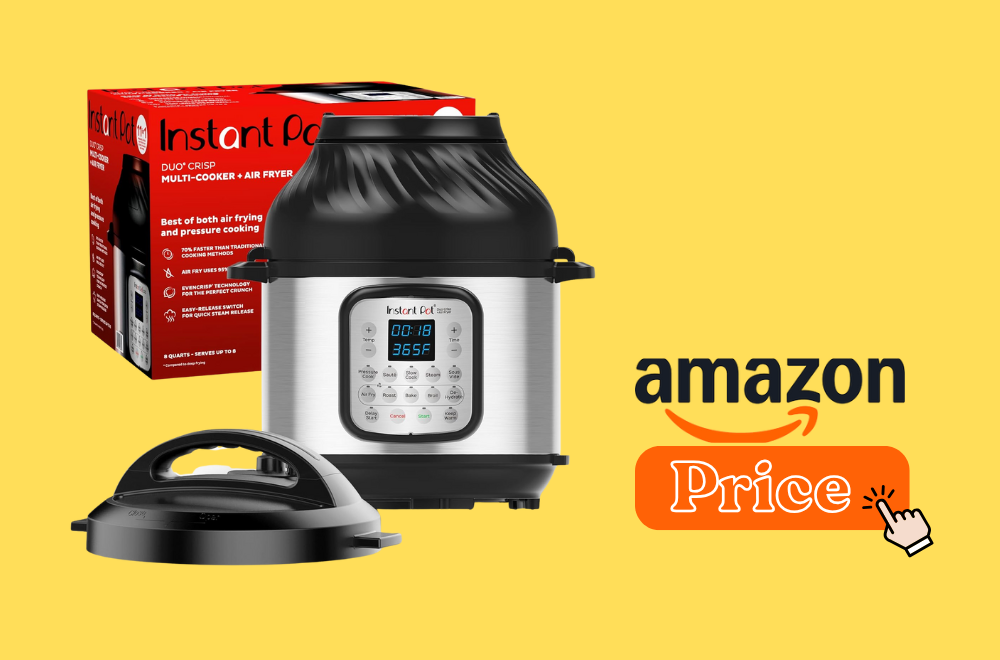
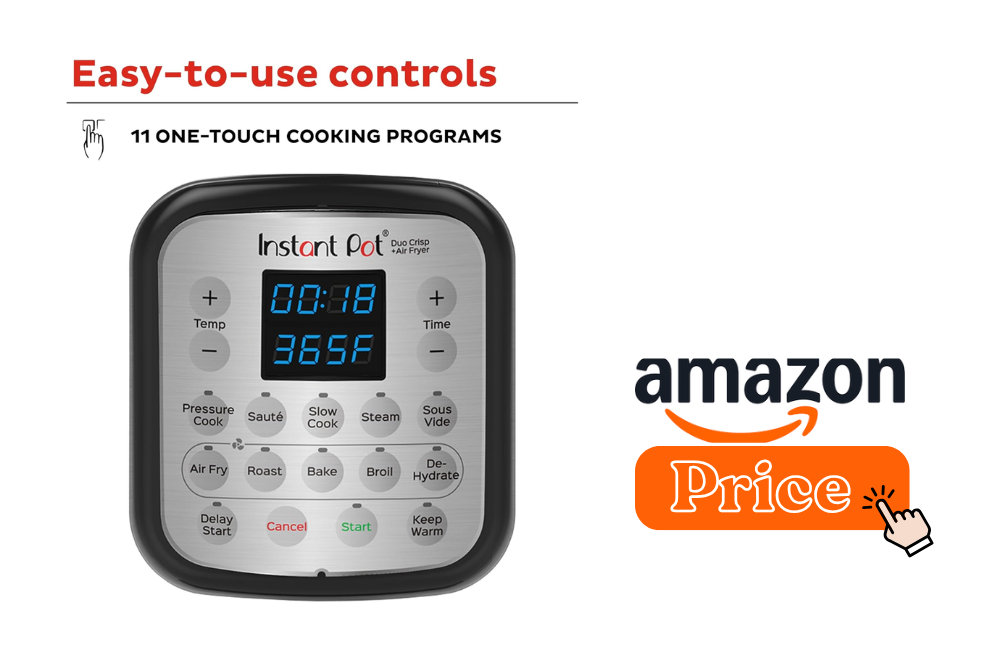
Most Instant Pot models in the US include both low pressure and high pressure settings, which is great for flexibility. Just remember: low pressure needs a bit more cook time than high pressure. That is normal.
What I Like
- Gentle cooking for delicate foods: When I cook shrimp or fish on Instant Pot low pressure, the texture stays soft. It does not fall apart. This is perfect for seafood dinners, which are very popular in many US homes.
- Better results for eggs and rice: Eggs come out clean and smooth. Rice cooks evenly and does not stick to the bottom. I get fewer failed batches, especially with white rice and jasmine rice.
- More control with pressure release: I like pairing low pressure with Natural Pressure Release (NPR). It reduces splatter and helps food rest before opening the lid. This feels safer and calmer, especially during busy weeknights.
What Could Be Better
- Longer cooking time: Low pressure takes more time than high pressure. If I am in a rush, this setting may feel slow. You must plan for a few extra minutes.
- Not ideal for all foods: Dense foods like beans or tough meat do better on high pressure. Low pressure will not break them down fully.
- Not on every model: Some older or budget Instant Pot models sold in the US do not include a low pressure option. This can confuse first-time buyers.
Recommendation
I recommend Instant Pot low pressure if you cook a lot of eggs, seafood, vegetables, rice, or desserts. If you enjoy gentle cooking and better texture, this setting is worth using. It works well for families, meal preppers, and anyone who wants more control.
If you mostly cook beans, stews, or large cuts of meat, you may rely more on high pressure. In that case, low pressure will be a bonus, not a must-have.
From my experience, having both settings gives you the best results. Low pressure is not about speed. It is about care. If texture matters to you, this feature truly earns its place in the Instant Pot.
Is Instant Pot High Pressure Good?
Yes. Instant Pot high pressure is excellent, and it is the setting I use most. It is fast, strong, and reliable. High pressure cooks at about 10–12 PSI, which raises the heat to around 242°F. That heat breaks food down fast.
In my daily cooking, this setting saves me the most time. I often cook dried beans without soaking. They come out soft in about 30 minutes. I also use high pressure for beef stew and pulled pork. Tough meat turns tender, and the flavor goes deep.
High pressure is the default on Instant Pot. Most US recipes are written for it. Once you learn it, weeknight meals feel much easier.
What I Like
- Huge time savings: High pressure cuts cook time by a lot. I can make chili after work and still eat early. This is perfect for busy US households.
- Great for tough and dense foods: I use it for beef chuck, pork shoulder, and dried beans. The pressure breaks down fibers fast. The meat turns soft and easy to shred.
- Strong and consistent results: Once sealed, the pot holds pressure well. With the sealing ring set right, I get the same results again and again.

What Could Be Better
- Easy to overcook soft foods: Vegetables and fish can turn mushy. You must watch the time closely or switch to low pressure.
- Steam release needs care: Quick Release (QR) lets out a lot of steam. It can feel loud and hot. I prefer Natural Pressure Release (NPR) when I have time.
- Learning curve for new users: First-time users may get a burn notice. More clear guides in the box would help beginners.
Recommendation
I recommend Instant Pot high pressure if you cook meat, beans, soups, or stews often. It is ideal for meal prep, large families, and anyone who wants fast comfort food.
If you mostly cook eggs, seafood, or soft vegetables, do more research. You may need low pressure for better texture.
From my experience, high pressure is the heart of the Instant Pot. If you want speed, depth of flavor, and tender results, this setting delivers every time.
Instant pot Low Pressure vs High Pressure: Detailed Comparison
I use both settings every week. They feel like two tools in one pot. One is calm and gentle. The other is fast and powerful. Here is how instant pot low pressure vs high pressure really compares, based on my daily cooking.
PSI Level: Instant pot Low Pressure vs High Pressure
Low pressure runs at about 5–7 PSI. High pressure jumps to 10–12 PSI.
I notice this right away when cooking. High pressure builds fast and feels intense. Low pressure builds slower and feels controlled.
High pressure is great when I want speed. Low pressure is better when food needs care.
| Feature | Low Pressure | High Pressure |
|---|---|---|
| PSI Range | 5–7 PSI | 10–12 PSI |
| Pressure Feel | Gentle | Strong |
My experience: PSI is the core difference. Once I understood this, my results improved fast.
Rating:
- Low Pressure 8/10
- High Pressure 9/10
Cooking Temperature: Instant pot Low Pressure vs High Pressure
Low pressure cooks around 229°F. High pressure reaches about 242°F.
That small jump changes texture a lot. High pressure breaks food down. Low pressure keeps shape.
I learned this the hard way with broccoli. High pressure turned it soft. Low pressure kept it bright.
| Feature | Low Pressure | High Pressure |
|---|---|---|
| Temp | ~229°F | ~242°F |
| Heat Style | Gentle | Intense |
My experience: Temp control matters more than time.
Rating: Low Pressure 8.5/10 | High Pressure 9/10
Cooking Speed: Instant pot Low Pressure vs High Pressure
High pressure is much faster. Some meals cook up to 70% quicker.
Low pressure takes longer. That is normal and expected.
When I cook beans, high pressure wins every time. For eggs, I wait longer on low pressure.
| Feature | Low Pressure | High Pressure |
|---|---|---|
| Speed | Slower | Very Fast |
| Best Use | Texture | Time saving |
My experience: Speed is why most US recipes use high pressure.
Rating:
- Low Pressure 7.5/10
- High Pressure 9.5/10
Best Foods: Instant pot Low Pressure vs High Pressure
Low pressure shines with eggs, seafood, rice, and desserts.
High pressure is best for meat, beans, soups, and stews.
I switch settings based on food, not habit. That change alone improved my cooking.
| Food Type | Low Pressure | High Pressure |
|---|---|---|
| Eggs | Excellent | Risky |
| Seafood | Excellent | Overcooks |
| Beans | Slow | Perfect |
| Meat | Limited | Excellent |
My experience: Matching food to pressure avoids failure.
Rating:
- Low Pressure 9/10
- High Pressure 9/10
Texture Results: Instant pot Low Pressure vs High Pressure
Low pressure keeps food intact and tender.
High pressure makes food soft and fall-apart.
For cheesecake, I only use low pressure. For pulled pork, only high pressure works.
| Result | Low Pressure | High Pressure |
|---|---|---|
| Texture | Clean, firm | Soft, broken down |
My experience: Texture control is where low pressure shines.
Rating:
- Low Pressure 9/10
- High Pressure 8.5/10
Performance: Instant pot Low Pressure vs High Pressure
Both perform well. They just do different jobs.
High pressure delivers power. Low pressure delivers control.
| Aspect | Low Pressure | High Pressure |
|---|---|---|
| Reliability | High | Very High |
| Results | Precise | Bold |
My experience: Performance depends on food choice.
Rating:
- Low Pressure 8.5/10
- High Pressure 9.5/10
Ease of Use: Instant pot Low Pressure vs High Pressure
High pressure is the default. Most people start there.
Low pressure takes more learning, but it is not hard.
Once I learned timing, both felt easy.
| Aspect | Low Pressure | High Pressure |
|---|---|---|
| Learning Curve | Medium | Easy |
| Recipe Support | Fewer | Many |
My experience: Beginners feel safer with high pressure.
Rating:
- Low Pressure 8/10
- High Pressure 9/10
Value for Money: Instant pot Low Pressure vs High Pressure
You do not pay extra. Both come in one pot.
That makes the value strong, especially in the US market.
| Aspect | Low Pressure | High Pressure |
|---|---|---|
| Cost | Included | Included |
| Use Value | Specific | Daily |
My experience: Having both saves money and space.
Rating:
- Low Pressure 9/10
- High Pressure 9/10
Overall: Instant pot Low Pressure vs High Pressure
This is not about which is better. It is about when to use each.
- Choose high pressure for speed, meat, beans, and big meals.
- Choose low pressure for eggs, seafood, rice, and desserts.
My final take:
If I had to pick one, high pressure runs my kitchen.
But low pressure saves my texture.
Final Rating:
- Low Pressure: 8.7/10
- High Pressure: 9.3/10
Together, they make the Instant Pot truly powerful.

FAQs For Instant Pot Low Pressure vs High Pressure
What is the main difference in instant pot low pressure vs high pressure?
The main difference is pressure level. Low pressure uses 5–7 PSI for gentle cooking. High pressure uses 10–12 PSI for faster cooking and tenderizing tough foods.
When should I use low pressure instead of high pressure?
Use low pressure for eggs, seafood, rice, and desserts. It cooks slower and helps keep food intact without turning soft or mushy.
Is high pressure always faster than low pressure?
Yes. High pressure cooks much faster. It reduces cooking time by up to 70%, which is helpful for beans, meat, soups, and stews.
Does instant pot low pressure vs high pressure affect food texture?
Yes, texture changes a lot. Low pressure keeps food firm and tender. High pressure breaks food down and creates soft, fall-apart results.
Which setting is better for beginners?
High pressure is easier for beginners. Most recipes use it, and it is the default setting on Instant Pot, making it simpler to follow instructions.