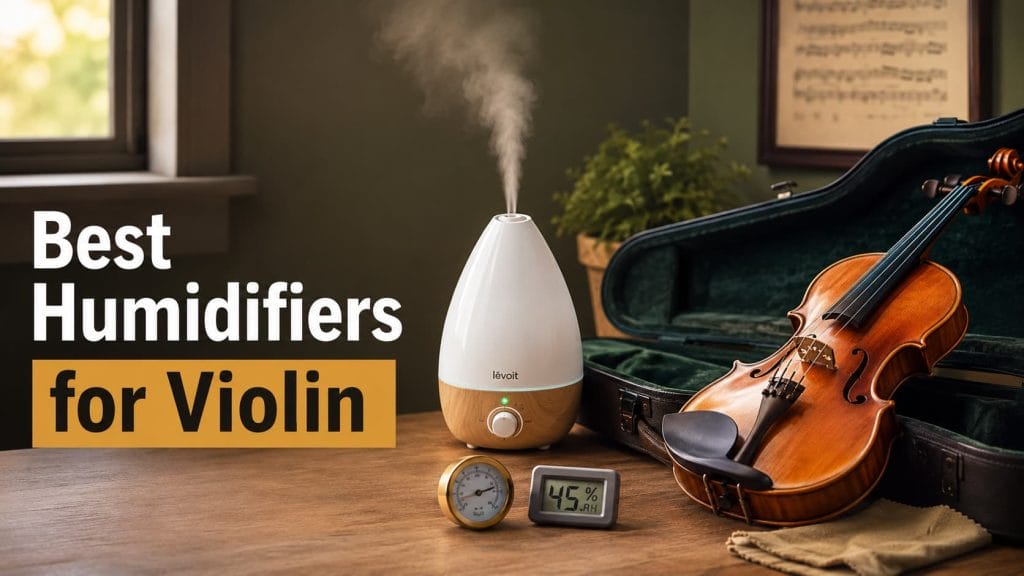
My violin started buzzing near the bridge one winter, and a luthier told me it was almost certainly dry air pulling the top down as the wood contracted. That sent me down a rabbit hole of testing nearly every case humidifier and F-hole tube I could find, since the case sits in a hallway closet that runs bone dry once the heat kicks on each October. After a full heating season of swapping products in and out of the case, some clearly held moisture longer than others, and a few were simply easier to live with day to day. Here is the full breakdown of the best humidifier for violin care based on what actually kept my instrument stable.
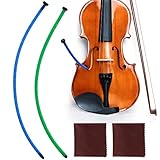


1. Kathfly Violin Humidifier Set with Cleaning Cloth
This was the first pair I tried, and having two humidifiers in the box meant I could keep one soaking while the other stayed in the case. The included microfiber cloth was a nice extra for wiping down the varnish after handling.
Pros:
- Two humidifiers included for rotation
- Comes with a cleaning cloth
- Slides easily into the sound hole
Cons:
- Needs re-soaking every few days in dry rooms
- Rubber can feel stiff at first use

2. Nan Yante Violin Humidifier Tube
I liked this one for how long it held moisture. The high density sponge core kept the case reading in a healthy range for close to a week before I needed to refill it, which was longer than most tubes I tested.
Pros:
- Holds moisture up to seven days
- Fits 4/4, 3/4, and 1/2 sizes
- Leak proof silicone seal
Cons:
- Refilling requires removing it from the case
- Silicone can trap odor if not rinsed occasionally
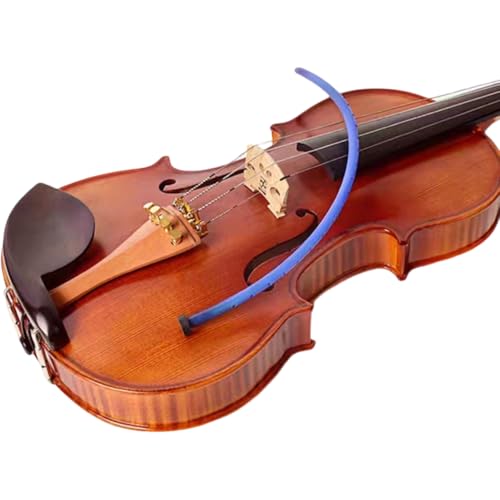
3. Grover Humidifier for Violin and Viola
This is a classic option that a lot of string teachers still recommend, and after testing it side by side with newer designs, I understood why. It releases moisture slowly and evenly instead of dumping it all at once near the sound hole.
Pros:
- Slow, even moisture release
- Trusted, long standing design
- Simple insert and forget use
Cons:
- Smaller reservoir than newer silicone tubes
- Needs more frequent checking in very dry climates

4. D’Addario Small Instrument Humidifier
I kept this one in a backup case since its compact size fits almost any small bowed or woodwind case without crowding the interior. It is a straightforward, no frills option that does the job without extra features.
Pros:
- Compact fit in any case
- Works for violin and other small instruments
- Simple slow release design
Cons:
- Basic design with no moisture indicator
- Smaller water capacity than tube style options

5. Stretto Violin Care Humidifier
This small, lightweight option was easy to tuck into a case pocket without adding bulk. It is a no frills humidifier that did its job quietly through several weeks of testing.
Pros:
- Lightweight and compact
- Simple to use
- Fits easily in tight case compartments
Cons:
- Small size means smaller water reservoir
- Limited instructions included

6. Stretto STR-1010 Humidifier with Humid Bags
This kit came with two humidification bags, and each one lasted close to two weeks in my case before needing a swap. Having a case included made storage between uses simple.
Pros:
- Includes two humid bags for rotation
- Each bag lasts up to two weeks
- Comes with its own storage case
Cons:
- Bags are a recurring cost to replace
- Not ideal for extremely dry rooms
“]

Final Thoughts
After a full season of testing these side by side, the clearest divide was between manual tube style humidifiers that need regular re-wetting and passive two way packs like Boveda that require almost no maintenance. Tubes tend to cost less upfront and work fine if you are consistent about checking them weekly, while the passive packs are worth the extra cost if you have ever forgotten to re-wet a sponge and found a crack the next season. Whichever style you choose, the real fix for violin dryness is consistency, not just the product sitting in the case.