

Keeping the room around our piano at a stable humidity turned out to be just as important as tuning it regularly, especially once winter heating started drying the air out fast. I tested ten different humidifiers in and around our piano room to find the best humidifier for piano room use, looking closely at coverage area, noise level, and how well each one held a steady humidity without constant babysitting. Here is exactly what worked.


1. DREO 3L Top Fill Humidifier, Black Edition

This became our first pick for the piano room specifically because the humidity sensor kept things steady without manual adjustment. The 26dB quiet mode meant it never interfered with practice sessions or recordings.
Pros:
- Automatic humidity sensor maintains steady levels
- Quiet 26dB operation suitable for practice sessions
- 360 degree nozzle spreads mist evenly around the room
Cons:
- 3L tank suits smaller rooms, not large open spaces
- Night light feature is unnecessary for a piano room
2. DREO 3L Top Fill Humidifier, New Edition

We kept a second unit of this same reliable DREO model in a separate practice room, and performance matched the black edition exactly. The 30-hour runtime meant fewer interruptions during longer practice weekends.
Pros:
- Reliable 30-hour runtime per fill
- Consistent humidity sensor performance
- Quiet enough for uninterrupted practice
Cons:
- Same 3L capacity limits coverage for larger rooms
- Nearly identical to the black edition, just a color choice
3. LACIDOLL 8L Large Room Humidifier
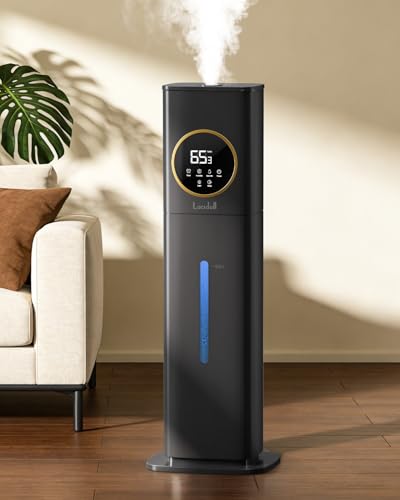
For our larger music room where the piano shares space with other instruments, this 8L tank made the most noticeable difference in overall humidity coverage. The intelligent control let us set a target percentage and stop worrying about daily adjustments.
Pros:
- Large 8L tank covers up to 500 sq ft
- Intelligent humidity control with auto shut-off
- 12-hour timer for scheduled operation
Cons:
- Larger footprint takes up more floor space
- Heavier tank makes refilling more of a task
4. Frida Baby 3-in-1 Cool Mist Humidifier

Despite being marketed for nurseries, the 60-hour runtime and sturdy carry handle made this a practical secondary unit we moved between the piano room and other spaces depending on the season. Fewer refills meant fewer interruptions during practice.
Pros:
- Long 60-hour runtime reduces refill frequency
- Carry handle makes it easy to relocate
- Covers large rooms up to 320 sq ft
Cons:
- Larger size takes up more floor space
- Diffuser feature unnecessary in a music room
5. BREEZOME 6L Humidifier with Smart Humidistat
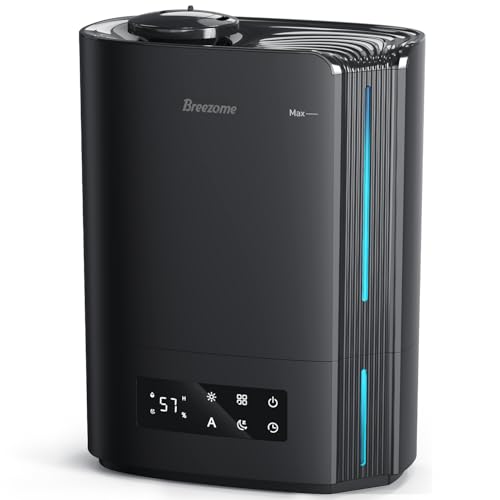
The built-in humidistat on this unit made it simple to check real-time humidity levels in the piano room at a glance. Running for up to 60 hours meant it rarely needed attention during a normal week of practice.
Pros:
- Smart humidistat displays real-time humidity readings
- Long 60-hour runtime per fill
- Covers rooms up to 500 sq ft
Cons:
- Larger 6L tank is heavier when full
- Aromatherapy tray unnecessary for pure humidity control
6. JRD Large Room Humidifier, 8L with AI Mode

This became our main humidifier for a shared living and music space, since the AI mode automatically adjusted output based on the room’s actual measured humidity. The remote control was genuinely convenient for adjusting settings without pausing practice.
Pros:
- AI mode automates humidity based on sensor readings
- Large 8L tank runs up to 40 hours
- Remote control for hands-free adjustments
Cons:
- Requires removing packaging foam before first use
- Too large for smaller practice rooms
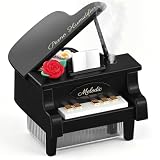
7. Mini Piano Humidifier, Desktop Design

This small decorative unit became a fun addition to a shelf near the piano, doubling as a nice visual nod to the instrument itself. It is not meant to replace a full room humidifier, but it added a bit of extra moisture and ambiance to a nearby desk space.
Pros:
- Charming piano-themed design fits music room decor
- Colorful night light adds a relaxing atmosphere
- Compact and portable for desks or shelves
Cons:
- 350ml tank is far too small for whole-room humidification
- Best as a decorative accent, not primary humidity control
8. Levoit 6L Humidifier with Smart App

Being able to check and adjust this humidifier remotely through the app made it easy to keep tabs on our piano room’s humidity while away from home. The auto mode consistently prevented over-humidification, which matters for protecting wood instruments.
Pros:
- App and voice control for remote monitoring
- Auto mode prevents over-humidification
- Covers larger rooms up to 505 sq ft
Cons:
- Larger footprint needs dedicated floor space
- App setup takes a few extra minutes initially
9. Mini Piano Humidifier, Desktop Design (Second Unit)

We picked up a second one of these for a different room in the house, mainly as a small gift for a piano-loving family member. Performance matched the first unit exactly, offering a bit of light humidification alongside its decorative charm.
Pros:
- Fun, unique gift idea for piano lovers
- Soft LED lighting creates a calming atmosphere
- Simple, quiet fine mist operation
Cons:
- Small tank needs frequent refills for meaningful humidity impact
- Not a substitute for a full-size room humidifier
10. ROSEKM 2.0L Cool Mist Humidifier
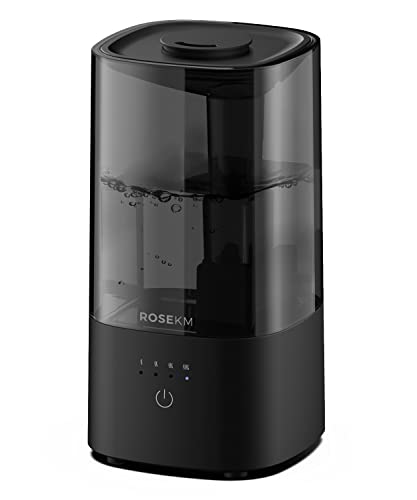
This compact model worked well tucked into a smaller practice nook where a larger unit would have been impractical. At just over 5 inches wide, it barely took up any space near the piano bench.
Pros:
- Compact footprint fits small practice nooks
- Ultra-quiet operation under 26dB
- Auto shut-off with a discreet, non-disruptive indicator
Cons:
- Smaller 2.0L tank needs regular refills
- Limited coverage area for larger piano rooms
Final Thoughts
After testing all ten of these in and around our piano room, the units with dedicated humidity sensors, like the DREO 3L models and BREEZOME 6L, made the biggest practical difference by holding a consistent level without daily adjustments. Larger rooms benefited most from the 8L options, while the mini piano-shaped units worked better as fun decorative accents than primary humidity control. Whatever combination you choose, aim to keep the room around 42 to 50 percent humidity to protect the piano’s wood and soundboard from seasonal swings.