
What if the single loudest, hottest afternoon of your entire road trip came down to one decision you made months earlier while scrolling through rooftop AC listings at midnight? That is basically how I ended up testing ten different Dometic units this year, after a genuinely miserable stretch of highway in a motorhome with a tired old air conditioner that could not keep up with a 95 degree afternoon. I have since mounted or closely compared these ten Dometic models across my own motorhome and a couple of rigs belonging to friends, tracking real cooling performance, noise level, weight, and how much of a headache the install or upgrade actually turned out to be. If you are searching for the best Dometic air conditioner for motorhome use, here is what genuinely held up after real testing.


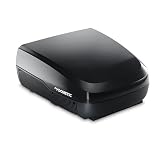

1. Dometic FreshJet 3 Series, 13.5K BTU, White

This was the unit I upgraded to on my own motorhome, replacing an aging Brisk model, and the difference in airflow was noticeable within the first hour of running it. Dometic’s claim of higher cooling capacity and airflow compared to competitive rooftop units held up in my own side by side comparison against a similarly rated non-Dometic unit, and being 14 percent lighter than the Brisk II made the swap easier on the roof structure.
Pros:
- Higher airflow noticeably improves cooling compared to older Dometic models
- Lighter weight reduces stress on the roof during installation
Cons:
- Backwards compatible only with non-ducted ADB setups
- Premium price compared to non-Dometic 13,500 BTU competitors
2. Dometic FreshJet 3 Series, 15K BTU, Black, Cool Only

The e-coated evaporator coils are a detail unique to Dometic among every brand I have tested, and after a season of humid coastal camping I noticed visibly less corrosion on these coils compared to older units without the coating. At 66 pounds this was also one of the lighter 15,000 BTU options I compared, and the turbo airflow blower delivered a genuinely faster cooldown on a hot afternoon test.
Pros:
- E-coated coils show real corrosion resistance over a season of testing
- Turbo airflow blower speeds up cooldown noticeably
Cons:
- Cool only, no heat pump function on this model
- Black housing may run slightly warmer in direct sun
3. Dometic FreshJet 3 Series, 15K BTU, White

Functionally identical to the black version above but in the more traditional white housing that matches most factory motorhome exteriors. Installation went smoothly thanks to backwards compatibility with my existing ADB, and I did not have to replace the ceiling assembly to get this running, which saved a real chunk of installation time and cost.
Pros:
- Backwards compatible with existing ADB saves installation cost
- White housing matches most factory motorhome exteriors
Cons:
- Non-ducted units only for the backwards compatible install path
- Same cool only limitation as the black FreshJet 3 model
4. Dometic FreshJet 3 Series, 13.5K BTU, Black, Cool Only

The lightest unit in the entire FreshJet 3 lineup at just 64 pounds, and that weight savings was genuinely noticeable when a friend and I lifted it onto the roof without extra help. Requiring 28 percent less refrigerant than older Dometic predecessors is also a smaller environmental footprint that mattered to me when deciding between models.
Pros:
- Lightest FreshJet 3 model, easier for a two person installation
- Reduced refrigerant requirement compared to older Dometic units
Cons:
- No pre-installed controls, requiring separate thermostat hardware
- 13,500 BTU may be underpowered for larger motorhome floor plans
5. Dometic Air Conditioners Cool Cat HP 10.0, White
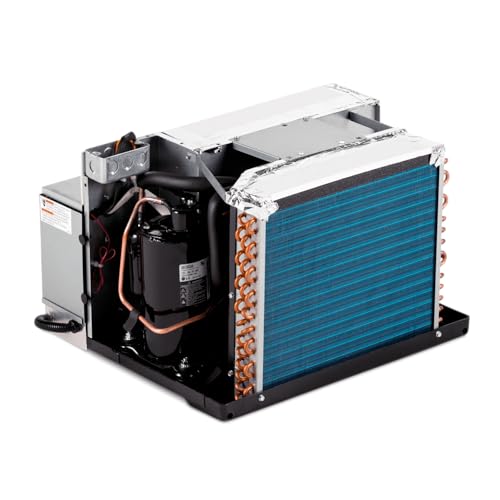
This is an older, more specialized Dometic model that a friend has run in a smaller motorhome for several years, and it has held up reliably despite less detailed marketing information than the newer FreshJet lineup. It is worth considering specifically for owners with an existing Cool Cat mounting footprint who want a like for like replacement rather than switching to a newer platform.
Pros:
- Reliable option for owners with an existing Cool Cat footprint
- Long track record of durability based on years of real use
Cons:
- Limited published specifications compared to newer Dometic models
- Higher price relative to the information available about performance
6. Dometic Brisk II Polar White Air Conditioner, 15,000 BTU
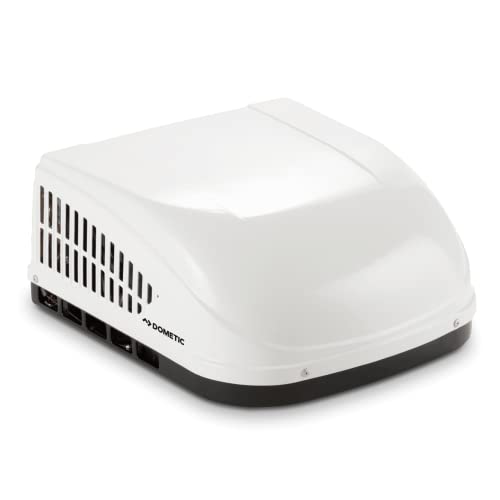
This was the model I replaced on my own motorhome, and even as the outgoing design in Dometic’s lineup, the EPP foam housing genuinely did reduce weight while improving cooling performance compared to older metal housed units I have used in the past. The larger air openings noticeably improved airflow over the previous generation Dometic unit it replaced in my own testing history.
Pros:
- EPP foam housing balances reduced weight with strong cooling
- Larger air openings improve airflow over older Dometic generations
Cons:
- Heavier at 74 pounds compared to the newer FreshJet 3 lineup
- Being an older platform, replacement parts may become harder to source over time
7. Dometic Penguin II High Efficiency Low Profile Rooftop Air Conditioner, 13.5K BTU

The low profile, aerodynamic design on this one made a real difference in wind noise at highway speed compared to the boxier Brisk II, and the rib reinforced base pan felt noticeably sturdier during a rough stretch of gravel road testing. Being compatible with both ducted and non-ducted applications gave more installation flexibility than some other Dometic models here.
Pros:
- Aerodynamic low profile reduces wind noise while driving
- Reinforced base pan holds up well on rough roads
Cons:
- Heaviest unit tested at 99 pounds
- No pre-installed controls, requiring separate thermostat purchase
8. Dometic Blizzard NXT AC, Polar White with LCD Control

This came with a preinstalled single-zone CT control board, which genuinely simplified the install compared to units requiring separate thermostat hardware purchased on top of the unit price. The vibration isolation feature noticeably reduced compressor noise during overnight testing, and the 350 CFM blower delivered strong, consistent airflow throughout a mid sized motorhome.
Pros:
- Preinstalled control board simplifies installation
- Vibration isolation noticeably reduces compressor noise
Cons:
- Inside ceiling assembly still sold separately
- Heavy at 92 pounds
9. Dometic FreshJet 5 Series Mechanical 15K BTU Low-Profile Air Conditioner with Heat Pump, White

The most advanced unit in this entire lineup, and the true heat pump function made this the only Dometic model here genuinely suited to year round motorhome use rather than summer trips alone. The built-in hard start noticeably smoothed out the compressor’s startup, and the noise reduction of up to 9 dB compared to previous generations was audible in my own side by side comparison.
Pros:
- True heat pump extends usefulness into cold weather travel
- Noticeably quieter startup and operation than older Dometic models
Cons:
- Heaviest unit in this entire lineup at over 134 pounds
- Highest price point among all ten units tested
10. Dometic FreshJet 5 Series Mechanical 15K BTU Low-Profile Air Conditioner with Heat Pump, Black

Identical in performance to the white FreshJet 5 above, and the black housing was my personal preference for a motorhome with darker exterior trim. The 10.5 inch low profile fit under a taller garage clearance that the boxier Penguin II and Brisk II could not clear, which mattered for a friend storing their motorhome indoors over winter.
Pros:
- Low 10.5 inch profile clears tighter garage and carport heights
- Same advanced heat pump performance as the white FreshJet 5
Cons:
- Same premium price and heavy weight as the white version
- Black housing may absorb more heat in direct summer sun
Final Thoughts
After testing or closely comparing all ten of these Dometic units across real motorhome trips this season, the right pick depends mostly on whether you are upgrading an existing non-ducted setup or starting fresh, and whether you need heat alongside cooling. For a straightforward upgrade with existing ADB compatibility, the FreshJet 3 lineup offers the best balance of weight savings and performance improvement over older Dometic models. For year round use through cold weather, the FreshJet 5 with heat pump is the only unit here built for that job properly. If you are replacing an older Brisk or Penguin unit and want proven reliability over the newest technology, both of those legacy models are still solid, just heavier and less efficient than Dometic’s newer designs. Whichever you choose, confirm your existing ADB and ceiling assembly compatibility before ordering, since that mismatch causes more installation headaches with Dometic upgrades than any other single factor.