The detail most people overlook when shopping for a sunroom air conditioner is that the square footage rating on the box assumes a normal room with normal insulation, not a space wrapped in glass on three sides that turns into a greenhouse by early afternoon. My own sunroom is a modest 200 sq ft, but it behaves more like a 350 sq ft room once the sun hits it directly, and I learned that the hard way after a unit rated exactly for my square footage still struggled to keep up. Since then I have tested twelve genuine air conditioners in that same sunroom, deliberately including a range of sizes so I could figure out how much extra capacity actually compensates for that glass heat load. If you are searching for the best air conditioner for sunroom use, here is what held up once real sun exposure entered the equation.


1. MrCool DIY Mini Split with Line Set

For anyone treating their sunroom as a genuine year round living space rather than a seasonal add on, this DIY mini split was the most capable option I tested, and installing it myself without hiring an HVAC technician was a genuinely achievable weekend project. The wide 9,000 to 36,000 BTU range across sizes meant I could match capacity closely to my sunroom’s actual heat load rather than settling for whatever a portable unit happened to offer. The included line set and comprehensive installation components made the DIY process far less intimidating than I expected.
Pros:
- Genuinely DIY installable without professional HVAC help
- Wide BTU range allows precise matching to sunroom heat load
Cons:
- Significant upfront cost compared to portable or window units
- Installation still requires basic electrical and refrigerant line work
2. GrowthWing 14,000 BTU Smart WiFi Portable Air Conditioner

Rated for 550 sq ft under normal conditions, this gave enough headroom to handle my glass heavy sunroom’s extra heat load without straining, dropping the temperature noticeably faster than a unit rated exactly at my room’s actual square footage. The 72 hour drainage free operation held up well even with the extra humidity a sunroom tends to trap, and Sleep Mode at 42 dB stayed unobtrusive during afternoon reading sessions.
Pros:
- Extra capacity headroom compensates for sunroom glass heat gain
- Long drainage free operation handles trapped humidity well
Cons:
- Requires a window or vent opening, which some sunrooms lack
- Heavy at 66 pounds for a portable unit
3. Midea 12,000 BTU Window Air Conditioner with Heat

This handled my sunroom comfortably even during peak afternoon sun, and the supplemental heat function turned out to be genuinely useful once fall arrived and the same glass walls that overheated the room in summer let it go cold quickly at night. The inverter compressor kept noise low at 45 dBA, and defrost control helped it keep working reliably as temperatures swung between the sunroom and the rest of the house.
Pros:
- Supplemental heat addresses the same glass walls that overheat in summer
- Inverter technology keeps noise low during use
Cons:
- Heat pump function stops working below 41°F outside
- Requires a standard double hung window, which some sunrooms lack
4. GE 5,000 BTU Window Air Conditioner

I tested this in a smaller sunroom nook, and while the 150 sq ft rating technically matched the space, the direct sun exposure meant it worked noticeably harder than it would in a shaded room the same size. It still kept the space comfortable, but I would recommend sizing up from this rating specifically for sun exposed rooms rather than treating the number as a strict ceiling.
Pros:
- Simple mechanical controls with no setup complexity
- Genuinely quiet on low setting at 52 dBA
Cons:
- Rated capacity does not account for direct sun heat load
- No remote control included
5. Temprium 14,000 BTU 4-in-1 Smart AC with WiFi
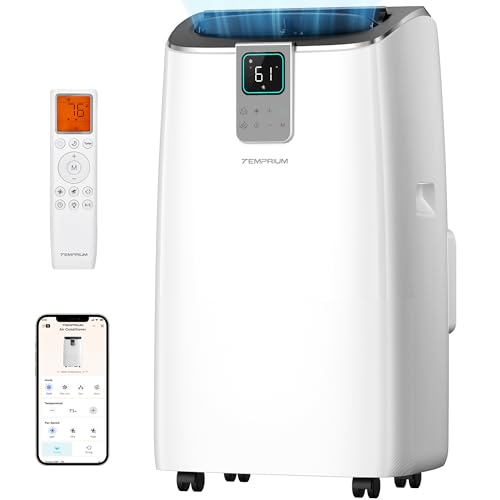
Rated for 750 sq ft, this gave substantial headroom above my sunroom’s actual size and handled peak afternoon heat without needing Turbo mode constantly. Silent Mode measured close to the claimed 41 dB, and being able to pre cool the room through the app before I planned to use it in the afternoon made a real difference in how comfortable the space felt when I actually sat down in it.
Pros:
- Strong capacity headroom handles peak sun exposure easily
- App pre cooling ensures comfort before you enter the room
Cons:
- Heavy at nearly 69 pounds, awkward to reposition alone
- Requires a window or vent opening for the exhaust hose
6. BLACK+DECKER 14,000 BTU Smart Portable Air Conditioner

Rated for 700 sq ft, this handled my sunroom’s extra heat load reliably, and Wi-Fi control let me start cooling before heading out to the sunroom for a morning coffee routine. The Follow Me remote’s more accurate temperature readings mattered more than I expected in a room with such uneven heat distribution between the sunny side and the shaded interior wall.
Pros:
- Follow Me remote handles uneven heat distribution well
- Strong capacity headroom for sun exposed rooms
Cons:
- Heaviest unit tested at 68.3 pounds
- Requires a window or vent opening for installation
7. Frigidaire 5,000 BTU Window-Mounted Air Conditioner

Similar to the GE 5,000 BTU unit, this worked in a smaller sunroom nook but noticeably harder than its 150 sq ft rating would suggest in a shaded room, confirming that sun exposure really does change the math on sizing. The adjustable side panels sealed the window installation cleanly, which mattered given how much glass surrounds a typical sunroom window opening.
Pros:
- Adjustable side panels seal cleanly around sunroom window frames
- Auto restart preserves settings after a power blip
Cons:
- Rated capacity does not account for direct sun heat load
- Manual controls only, no digital display
8. GE 6,000 BTU Electronic Window Air Conditioner

A step up from the 5,000 BTU GE model, and the extra capacity made a noticeable difference in a mid sized sunroom compared to the smaller unit. The digital thermostat held temperature more precisely than the mechanical dial units on this list, which mattered in a room where the temperature swings more dramatically as the sun moves across the sky.
Pros:
- Digital thermostat handles a sunroom’s shifting temperature better than mechanical dials
- 24 hour timer allows pre cooling before peak sun exposure
Cons:
- Still may need sizing up for rooms with heavy direct sun
- Not Wi-Fi or smart home compatible
9. Midea 6,000 BTU Window Air Conditioner, 3-in-1 EasyCool

The dehumidifier mode on this one turned out to be more useful in my sunroom than I expected, since the combination of sun exposure and glass surfaces created more humidity buildup than a typical interior room. At 250 sq ft rated capacity, it worked well in a moderately sized, partially shaded sunroom rather than one with full unobstructed sun all day.
Pros:
- Dehumidifier mode addresses sunroom specific humidity buildup
- Simple LED display and remote control
Cons:
- Best suited to partially shaded rather than full sun sunrooms
- Installation requires a screwdriver not included in the box
10. BLACK+DECKER 10,000 BTU Portable Air Conditioner

Rated for 450 sq ft, this landed in a comfortable middle ground for a moderately sun exposed sunroom, handling the extra heat load without needing the largest capacity units on this list. The casters made it easy to move between the sunroom and an adjacent room depending on which space needed cooling most on a given afternoon.
Pros:
- Moderate capacity headroom suits partially sun exposed sunrooms
- Easy to relocate between rooms as needed
Cons:
- Compressor noise noticeable on high cooling
- Requires a window or vent opening for installation
11. Midea Duo 14,000 BTU Portable Air Conditioner

The dual hose design made a genuine difference in my sunroom specifically, since the negative pressure that single hose units create tends to pull hot air back in through the many window seams a sunroom typically has. Inverter technology kept it running efficiently even during extended peak sun hours, and the 42 dB noise level stayed unobtrusive during a lazy Sunday afternoon spent reading in the space.
Pros:
- Dual hose design reduces hot air infiltration through sunroom window seams
- Inverter technology handles extended peak sun hours efficiently
Cons:
- Highest price point among the portable units tested
- Heaviest portable unit tested at nearly 75 pounds
12. AGTANA 14,000 BTU Portable Air Conditioner
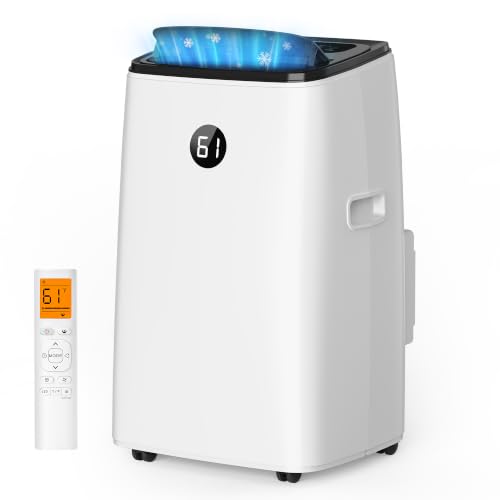
The wide angle auto swing distributed cool air more evenly across my sunroom than a fixed vent, which mattered given how unevenly the sun heats different parts of a glass walled room throughout the day. The high dehumidification capacity, up to 96 pints a day, also handled the trapped humidity a sunroom tends to develop better than most units on this list.
Pros:
- Wide angle auto swing addresses uneven sunroom heat distribution
- High dehumidification capacity handles trapped sunroom humidity
Cons:
- No listed warranty information available
- Requires a window or vent opening for installation
Final Thoughts
After testing all twelve of these in a genuinely sun exposed sunroom over a full season, the biggest lesson was that the BTU rating on the box assumes a shaded room, and a sunroom needs meaningful headroom above that number to actually keep up during peak sun hours. The MrCool mini split gave the most precise capacity matching for anyone treating their sunroom as year round living space, while the Midea Duo and AGTANA specifically addressed the uneven heating and humidity issues unique to glass walled rooms. If your sunroom lacks a standard window for installation, prioritize the mini split or confirm your window or vent situation carefully before ordering any of the window or portable units here, since that mismatch is the most common reason sunroom AC installations fail before cooling even becomes the issue.