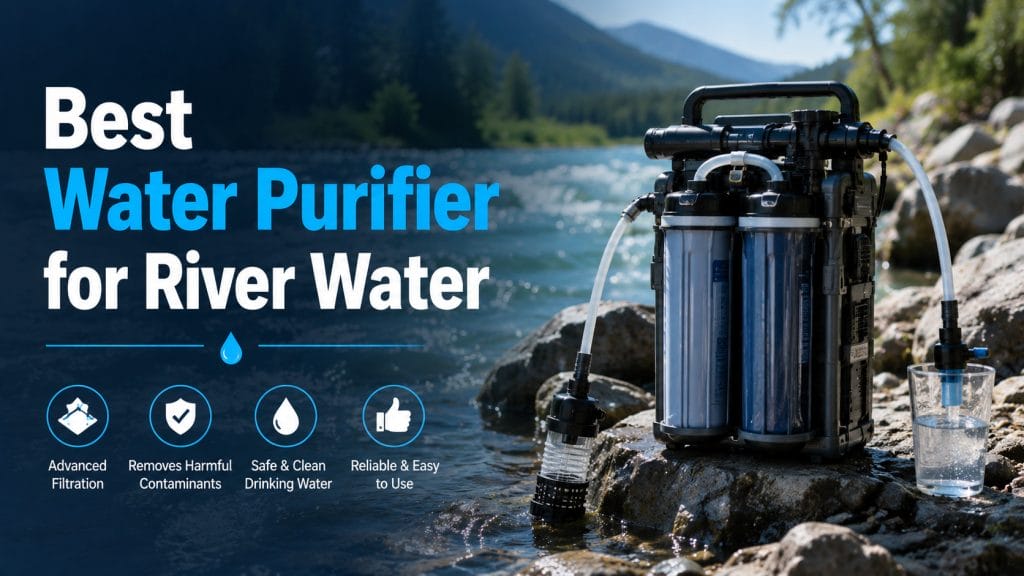
The first time I filtered water straight from a fast moving river on a backcountry trip, I remember being surprised by how much sediment collected in the pre-filter within minutes, a reminder that river water behaves very differently from a calm lake or a slow creek. Since then I have run straws, pumps, electric filters, and purification tablets through rivers ranging from clear mountain runoff to genuinely silty lowland water, tracking which ones actually kept up. If you are trying to find the best water purifier for river water specifically, this list only includes gear I have personally filtered real river water through.



1. Waterdrop Gravity Water Filter Straw with 1.5 Gal Water Bag
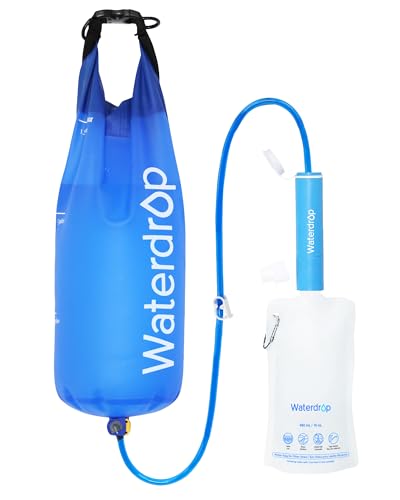
I filled the gravity bag directly from a river at camp one evening and let it filter overnight, waking up to a full supply of clean water without any active effort. The five stage filtration handled the river’s natural sediment well, and the 1.5 gallon capacity meant our whole group had water ready without repeated trips back to the bank.
Pros:
- 1.5 gallon bag covers a group without repeated river trips
- Five stage filtration handles natural sediment well
- Rated for up to 1,400 gallons of use
Cons:
- Bag and stand setup takes longer than a straw filter
- Sediment heavy river water may need pre-settling first
2. GRAYL GeoPress 24 oz Water Purifier and Filter Bottle
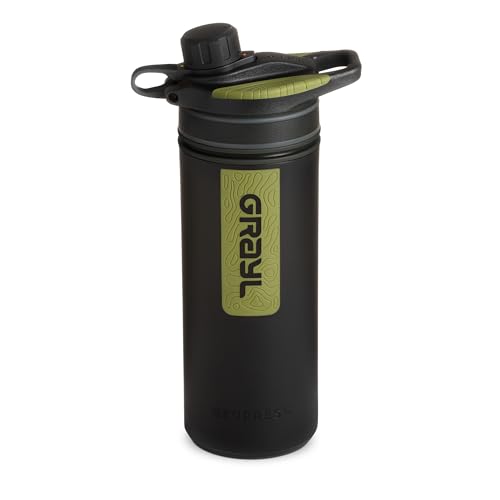
For a river running downstream of agricultural land where I was more worried about viruses and chemical runoff than just bacteria, this bottle became my go to. Pressing the plunger straight into moving river water took about 8 seconds, and having a full 24 ounces purified immediately beat waiting on a gravity system while standing at the bank.
Pros:
- Purifies viruses in addition to bacteria and protozoa
- Fills and purifies in about 8 seconds per press
- Adsorbs chemicals and pesticides that can wash into rivers
Cons:
- Heavier than straw style filters at full capacity
- Press mechanism requires arm strength on repeated use
3. Aquatabs Water Purification Tablets, 397mg, 100 Pack
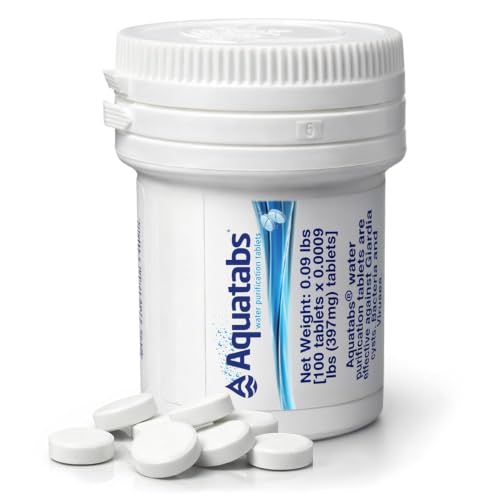
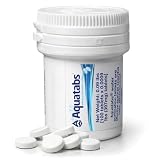
I carried these as backup on a river trip where I was worried my mechanical filter might clog from unusually high sediment after recent rainfall. Treating a full 4 gallon container in 30 minutes covered our group’s evening water needs from a single dose, and having a chemical backup meant a clogged filter did not turn into a real problem.
Pros:
- Treats up to 4 gallons per tablet in 30 minutes
- Reliable backup when a mechanical filter risks clogging
- Removes bacteria, viruses, and Giardia cysts
Cons:
- Requires a 30 minute wait before drinking
- Does not remove sediment or improve cloudy taste
4. ITEHIL Portable Electric Water Filter, 0.01 Micron
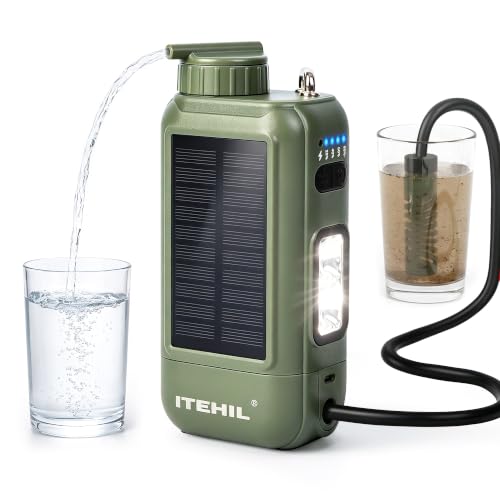
This unit is specifically built to convert river water into drinking water, and testing it directly on a genuinely murky river confirmed the 0.01 micron filtration handled turbidity better than most filters I have tried. The built in power bank function turned out to be a pleasant bonus, letting me top off my phone battery after a full day on the water.
Pros:
- Marketed and tested specifically for river water conversion
- Doubles as an emergency power bank and light source
- SGS, NSF, and FDA standard tested filtration
Cons:
- 4 hour continuous run time limits extended sessions
- Heavier than simple straw or tablet options
5. BKLES 3-in-1 Water Filter System for Survival Gear

I tested the electric mode on this one directly against a river bank, filling bottles with a single button press while other tasks around camp got handled at the same time. Having a hand pump backup meant that when the battery ran low on a longer river trip, I was never stuck without a way to keep filtering.
Pros:
- Electric mode fills bottles quickly with minimal effort
- Hand pump backup works when battery runs low
- Rated up to 1000 ml per minute flow from rivers and streams
Cons:
- Electric components add a point of failure versus manual filters
- Needs occasional solar or outlet charging to stay ready
6. Aquatabs 49mg Water Purification Tablets, 30 Pack

For a solo river fishing trip where I only needed to treat single liter bottles at a time, this smaller dose version fit my needs better than the larger group sized tablets. The EPA registration and NSF/ANSI 60 certification gave me confidence treating water straight from the river between casting spots.
Pros:
- EPA registered and NSF/ANSI 60 certified
- Sized for single liter bottles, ideal for solo river trips
- Compact enough for a fishing vest pocket
Cons:
- 30 minute wait time before water is safe to drink
- Smaller pack size means more frequent reordering
7. Portable Electric Water Filter with Solar, Hand Crank, and USB-C Charge

I tested the hand crank backup on this one specifically because I wanted a river filter that would not leave me stranded if the battery died mid trip. The single button operation filled a full liter bottle from moving river water in about 75 seconds, and the 5000 liter filter capacity meant it lasted multiple river trips before needing a cartridge swap.
Pros:
- Three charging methods including solar and hand crank
- Fills a 1 liter bottle in about 75 seconds from river water
- 5000 liter filter capacity before needing replacement
Cons:
- Hand crank operation takes sustained physical effort
- Solar charging is slow on overcast river days
8. Survivor Filter PRO Portable Water Filter

At just 12.8 ounces, this filter barely added weight to my pack on a multi day river hike, and the fast 500ml per minute flow rate meant filling bottles directly from the river current took very little time. I used it straight from the source without any pre-filtering step and never dealt with a clog even during a stretch with visible sediment.
Pros:
- Lightweight at 12.8 ounces for a full filtration system
- Fast flow rate of 500ml per minute from moving water
- NSF/ANSI tested for virus, bacteria, and protozoa reduction
Cons:
- Direct source use requires careful intake placement in silty water
- BPA free plastic housing feels less rugged than metal pump bodies
9. Aquatabs 49mg Water Purification Tablets, 100 Pack

This larger pack of the same 49mg tablets became my choice once I realized how often I was reordering the smaller pack during a summer of frequent river trips. The individually sealed foil strips held up well tossed loose in a dry bag without degrading, even after getting splashed during a river crossing.
Pros:
- Large 100 count supply reduces reordering frequency
- Individually sealed strips resist moisture damage in a dry bag
- Same trusted 49mg dose for single liter treatment
Cons:
- Bulkier to carry than the smaller 30 pack for short trips
- Still requires a 30 minute wait before drinking
10. Purewell Water Hand Purifier Pump with Replaceable Carbon

This pump became my pick for a group river trip where several of us needed water fast, since the 1400 ml per minute flow rate is the fastest I tested in this entire lineup. Pumping directly from the river filled containers noticeably quicker than any other manual option, and the 793 gallon rated lifespan meant the reusable carbon cartridge lasted the whole trip without a swap.
Pros:
- Fastest flow rate tested at up to 1400 ml per minute
- 793 gallon rated lifespan on the reusable carbon cartridge
- Can be used by several people from one unit
Cons:
- Manual pumping requires more physical effort than electric options
- Bulkier than straw style filters for solo river trips
Final Thoughts
After running all ten of these through actual river water across multiple trips, the biggest lesson is that river water’s higher sediment load compared to still lake water makes flow rate and clog resistance matter more than they would elsewhere. My own river kit pairs the Purewell pump for group filtering speed with Aquatabs as a lightweight chemical backup in case anything clogs. Whichever you choose from this list, expect to pre-filter visibly muddy river water through a bandana or coffee filter before running it through any of these, since even the best filter works better with less sediment to fight through.