
I stood in my kitchen a few years ago, staring at a beat-up aluminum pot I bought at a garage sale. It was light, cheap, and heated up faster than anything else I owned. But then I read the scary headlines online. You know the ones I mean. They warn you about memory loss and weird chemicals leaking into your dinner. I almost threw that pot in the trash right then and there.
But I didn’t do it. Instead, I decided to dig in and find the truth. I wanted to know if my favorite egg pan was actually hurting me or if I was just falling for hype. I spent months testing different pans and reading the simple facts. Here is what I found out, and why my kitchen still has plenty of aluminum in it today.
The Big Scary Rumor: My Dive into the Health Risks
Let’s get the big elephant out of the room first. The main reason people panic about aluminum is the link to Alzheimer’s disease. I was worried about this too. I have family members who struggled with memory issues, so I do not take that stuff lightly. I looked at reports from major health groups.
What I found really calmed my nerves. The current agreement is that there is no clear link between cooking with aluminum and getting sick. We actually eat and drink small amounts of aluminum every day naturally. It is in the air, the soil, and even in some medicines we take. The amount that comes off a pan is tiny compared to what we get from other places.
My “Metal Tomato” Mistake
Even though I knew it was safe, I learned the hard way that “safe” does not always mean “tasty.” I decided to make a slow-cooked marinara sauce in that old, raw aluminum pot. I let it simmer for three hours. The sauce looked great, but when I tasted it, something was off.
It had this weird, tinny flavor. It tasted like I was licking a battery. That was my lightbulb moment. Aluminum is a reactive metal. When I cooked high-acid foods like tomatoes or lemon juice for a long time, the acid pulled some of the metal into the food. It was not enough to hurt me, but it ruined my dinner.
The Game Changer: Finding Anodized Aluminum
After the tomato sauce disaster, I almost gave up. Then I found “hard-anodized” aluminum. This stuff is different. It goes through a bath that makes the surface super hard and dark. I bought a skillet to test it out. The difference was night and day.
I cooked a lemon chicken dish in it to see what would happen. I was nervous, but the sauce came out perfect. No metal taste. No weird color changes. The anodized layer locks the metal away. It acts like a shield. If you are scared of aluminum but love how fast it heats up, this is what you want.
Comparing My Cookware
I made a little cheat sheet to help me remember which pan to grab. This helps me keep my food tasting good and my pans lasting longer. I keep this mental list whenever I start to cook.
Quick Guide to My Pan Collection
| Pan Type | Best For | What I Avoid | My Rating |
| Raw Aluminum | Boiling water, pasta | Tomato sauce, lemons | 3/5 (Good for specific jobs) |
| Anodized Aluminum | Everyday dinner, meats | Metal spoons (scratches) | 5/5 (My daily driver) |
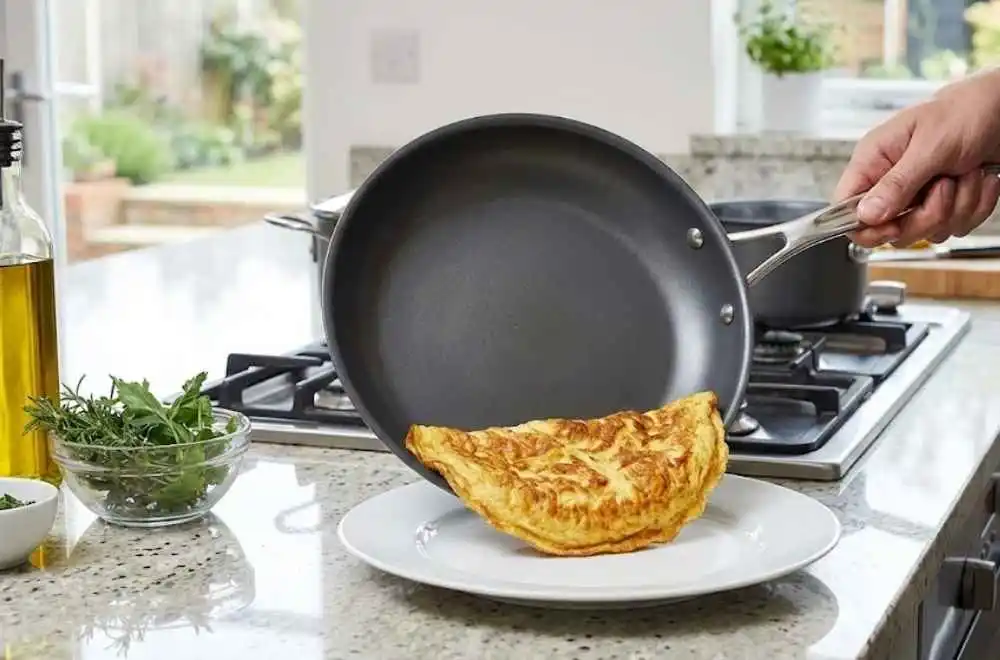
| Non-Stick Aluminum | Eggs, pancakes, fish | High heat searing | 4/5 (Best for breakfast) |
Why I Still Reach for These Pans
You might wonder why I bother with aluminum at all if I have to follow rules. Why not just use heavy steel for everything? It comes down to speed and weight. I have a wrist injury from years of typing and lifting boxes.
Lifting a giant cast-iron skillet every night hurts. Aluminum is light. I can toss veggies in the pan with a flick of my wrist and not feel it the next day. Then there is the heat. I ran a little test in my kitchen. I put water in my steel pan and my aluminum pan.
The aluminum pan boiled the water almost twice as fast. When I turn the flame down, the pan cools down instantly. That control is amazing when I am cooking delicate things like fish or eggs. I don’t burn things as often because the pan listens to me.
My Routine for Care and Cleaning
I used to ruin pans because I treated them all the same. I threw my first aluminum sheet pan in the dishwasher. Big mistake. When I pulled it out, it had turned a dark, ugly gray. The soap in the dishwasher oxidized the metal.
It looked dirty even though it was clean. It still worked, but everything stuck to it after that. Now, I hand wash all my aluminum. It takes two minutes. I use warm water, dish soap, and a soft sponge. That is it.
When I Decide to Throw a Pan Away
I am frugal. I hate throwing things out. But I learned that keeping damaged aluminum cookware is a bad idea. Last year, I noticed my favorite non-stick aluminum pan had deep scratches. I could see the shiny metal underneath the black coating.
I used to think, “It is fine, it still cooks.” But those deep scratches are places where the metal is exposed. They are also great hiding spots for germs. I made a rule for myself: if the surface is peeling or deeply scratched, it goes in the bin.
Is It Bad? My Final Thoughts
So, is aluminum cookware bad? My answer is no. It is a tool. Like any tool, it can be bad if you use it wrong. If you boil tomato soup in a thin, scratched-up raw aluminum pot, you are going to have a bad time.
But if you use hard-anodized pans, or if you use raw aluminum for boiling water, it is fantastic. It is cheap, light, and cooks food evenly. I stopped worrying about the health scares and started focusing on the cooking. My food tastes better, and my wrists do not hurt.
FAQ About Aluminum Cookware
Is cooking with aluminum safe for my daily meals?
Yes, using aluminum cookware is safe for most home cooking. The amount of metal you get is very small. Just avoid slow cooking sour foods in bare pans to stop any leaching.
Can I put my aluminum pans in the dishwasher?
You should hand wash these pans to keep them lasting long. Dishwasher soap is too harsh and ruins the finish. It turns the metal dark gray and causes rough pitting.
What is the difference between anodized and raw aluminum?
Anodized aluminum is treated to be much harder than raw steel. It has a sealed layer that stops metal from leaking. This makes it safe for acidic foods like tomato sauce.
Do aluminum pans work on induction cooktops?
Pure aluminum pans do not work on induction stoves. The metal is not magnetic on its own. You must look for a pan with a steel base plate to make it heat up fast.
When should I throw away my old aluminum pan?
You should replace the pan if you see deep scratches. These spots can trap bad germs or dirt. Deep cuts also expose the raw metal core, which can affect the food taste.